Uncategorized

How Earnings Reports Impact Stock Prices

Understanding Earnings Reports

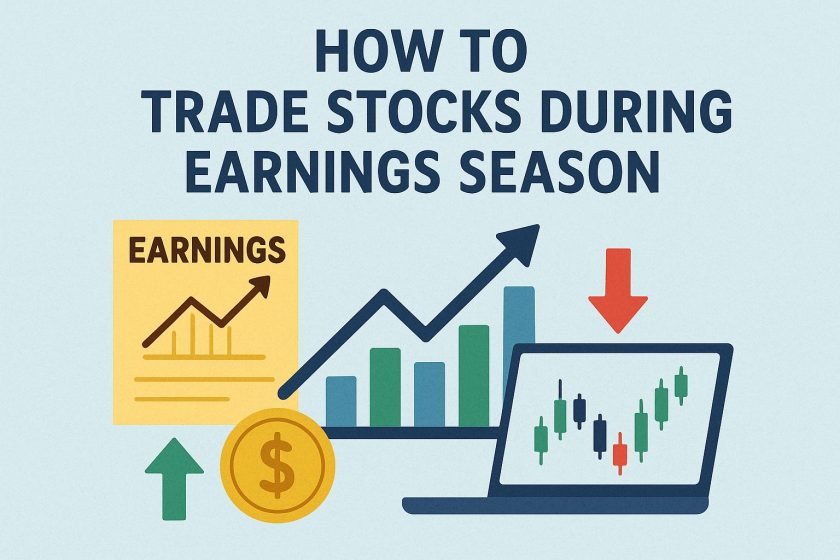
Earnings reports are essential documents released quarterly by publicly traded companies to present a precise picture of their financial health. These comprehensive financial statements are crucial for investors, analysts, and a variety of other stakeholders who are interested in understanding a company’s performance over a specific accounting period. By evaluating metrics such as revenue, net income, earnings per share (EPS), and future financial guidance, stakeholders can gain insights into a company’s past performance and potential future direction.

Key Components of Earnings Reports

Earnings reports serve as a tool for benchmarking a company’s financial achievements and understanding its performance relative to its industry and market expectations. Here are the main components typically included in an earnings report:

Revenue: Revenue is a critical metric as it indicates a company’s ability to generate income through its core business operations. Sometimes referred to as sales or turnover, revenue reflects the total monetary amount earned from goods and services sold during the reporting period. Assessing revenue trends over time can highlight growth trajectories or reveal periods of stagnation or decline.

Net Income: Net income, often identified as the bottom line, represents the residual amount after accounting for all operational expenses, interest, and taxes from total revenue. It is a crucial indicator of profitability, reflecting whether a company has managed to achieve financial success after fulfilling all fiscal obligations. The consistency or variability of net income over quarters may indicate the company’s stability or point to the potential areas that require strategic adjustments.

Earnings Per Share (EPS): EPS acts as an indicator of obtained profit available to each outstanding share of a company’s stock. This metric is calculated by dividing net income by the number of outstanding shares. EPS helps investors evaluate how effectively a company is using its capital to generate net profits and offers a basis for comparing profitability across different companies irrespective of their size. Increasing EPS is generally seen as a sign of a company’s good financial health and operational success.

Future Guidance: In addition to historical data, companies often provide future guidance representing management’s projections about future business conditions, anticipated revenues, and expense projections. This forward-looking component plays a critical role in setting investor expectations and often influences market sentiment and investment decisions.

How Earnings Reports Impact Stock Prices

The release of earnings reports can significantly impact stock prices by aligning or misaligning with investor expectations and broader market conditions. A company’s ability to meet or surpass market expectations often defines short-term price movement and long-term investor confidence.

Meeting or Missing Expectations

A company’s financial guidance issued ahead of the earnings report establishes a benchmark for performance. If the results meet or exceed the projected forecast, investor confidence is generally boosted, often resulting in an upward stock price movement. However, if a company fails to meet expectations, it can cause disappointment among investors and lead to a potential decrease in the stock’s valuation, reflecting the negative sentiment.

Market Reaction

Market reactions are influenced by not only the earnings figures themselves but also accompanying narratives, management insights, and industry news. Positive earnings surprises can provoke sharp increases in stock prices, initiating a rally as optimism prevails. Conversely, negative surprises can create precipitous declines, causing plummeting in share value. This divergence in reactions underscores the role of perception in financial markets and the heightened volatility that often accompanies earnings seasons.

Evaluating Price Multiples

Earnings reports offer the raw data needed to evaluate price multiples, including the Price-to-Earnings (P/E) ratio, a predominant valuation tool. Such metrics are instrumental for making informed comparisons across companies or historical evaluation of a single company and significantly influence investor decisions and the perceived fair value of stocks. A high P/E may imply that a stock is overvalued unless justified by high growth prospects, while a low P/E might suggest undervaluation.

Long-term vs. Short-term Impact

The immediate post-earnings announcement movements in stock prices, driven by investor sentiment, may not capture the comprehensive long-term implications of a company’s financial performance.

Navigating Volatility

While the short-term impact of earnings announcements can prompt volatility, adopting a long-term view and understanding the broader financial landscape benefits investors seeking sustained returns. Strategies such as diversification can help manage risks associated with earnings-induced fluctuations. Moreover, profound comprehension of how cyclical trends and broader economic conditions influence earnings seasons can facilitate strategic investment decisions aimed at capital preservation and growth.

Further Reading

For those keen on delving deeper into the mechanics of investing and comprehending market dynamics, a wealth of resources provided by financial education platforms can be highly beneficial. Engaging with in-depth market analyses and forecasts developed by financial news agencies, investment advisory firms, or governmental financial entities can substantiate knowledge and strengthen investment strategies. Platforms like the U.S. Securities and Exchange Commission (SEC) or educational portals such as Investopedia can furnish access to exhaustive databases, terminologies, and analytical tools indispensable for informed decision-making in the dynamic financial markets.

Uncategorized

Common vs. Preferred Stocks: What’s the Difference?

Understanding Common and Preferred Stocks

Investing in the stock market requires a fundamental understanding of the different types of stocks available to investors. The two primary categories are common stocks and preferred stocks. Each type offers distinct characteristics, benefits, and risks. This article aims to elucidate the differences between the two, helping investors make informed decisions that align with their financial goals.

Common Stocks

Common stocks are the most widespread form of stock that investors purchase in the equity market. They signify ownership in a company and a proportionate claim on a part of its profits. Below are the essential characteristics of common stocks:

Voting Rights: A significant advantage of owning common stocks is the possession of voting rights. Shareholders with common stocks have the privilege to vote on crucial company matters, such as electing board members, approving mergers, or making substantial changes to corporate policies. Typically, these voting rights operate on a one-vote-per-share basis, granting shareholders a voice in corporate governance.

Dividends: Although common stockholders may receive dividends, these payments are not guaranteed. Dividends on common stocks are generally declared at the company’s discretion and are often contingent on profitability, as well as the company’s strategy for reinvestment and growth. Consequently, the frequency and amount of dividend payments can vary greatly.

Potential for Growth: Common stocks provide investors with a significant opportunity for growth. If the company performs well financially, the value of its common stocks is likely to rise, offering shareholders a chance to gain higher returns by selling their shares at increased market prices. This growth potential makes common stocks appealing to investors seeking long-term appreciation in value.

Market Liquidity: Common stocks are generally more liquid compared to preferred stocks. They are actively traded on stock exchanges, enabling investors to buy or sell them with relative ease and speed. This liquidity is vital for investors who may need to quickly convert their holdings into cash.

Preferred Stocks

Preferred stocks are often considered a hybrid security, as they combine elements of both equity and fixed-income securities. They are attractive to investors looking for predictable income and potentially lower volatility. Here are the key attributes of preferred stocks:

Fixed Dividends: One primary attraction of preferred stocks is the provision of fixed dividends. Unlike common stock dividends, those from preferred stocks are generally predetermined and higher. These dividends are paid out before any dividends are distributed to common stockholders. This stability in income makes preferred stocks appealing to investors who prioritize steady returns over growth potential.

No Voting Rights: Typically, preferred shareholders do not possess voting rights, meaning they do not have a direct influence on company management or decisions. This lack of voting rights is a trade-off for the benefits of fixed dividends and prioritized claims on assets.

Priority in Liquidation: In the scenario of a company’s liquidation or bankruptcy, preferred stockholders have a higher claim on company assets than common stockholders. However, their claim remains subordinate to the company’s debt obligations. This priority provides an added layer of security to preferred shareholders in times of financial distress.

Interest Rate Sensitivity: The market value of preferred stocks is highly sensitive to changes in interest rates. When interest rates rise, the price of preferred stocks may decrease, similar to bond behavior. Therefore, they can be a strategic option during periods of stable or declining interest rates.

Comparative Analysis

The decision to invest in either common or preferred stocks depends on the individual investor’s goals, risk tolerance, and time horizon. Each type of stock presents unique advantages and drawbacks, which should be carefully considered:

Risk and Return: Common stocks often entail a higher risk and return potential compared to preferred stocks. The stock market is inherently volatile, meaning common shareholders might experience significant gains or losses based on market trends and company performance. In contrast, preferred stocks tend to offer more stable returns through fixed dividend payments, making them attractive to risk-averse investors.

Market Behavior: The price of common stocks is primarily influenced by market sentiment and the company’s business performance. Investors’ perceptions of future prospects can cause significant fluctuations in market prices. Conversely, preferred stocks are more influenced by changes in interest rates. As a result, during times of rising interest rates, the value of preferred stocks may decline.

Investment Strategy: Depending on their investment strategy, investors might choose between growth or income. Common stocks are suitable for those aiming for potential long-term capital appreciation, while preferred stocks cater to those seeking consistent income with lower capital risk.

Making Informed Decisions

Navigating the stock market with knowledge of common and preferred stocks can empower investors to make informed decisions. Understanding the risk profile, potential returns, and individual preferences is crucial for selecting the right type of stock for one’s portfolio. Here are a few considerations for investors:

Financial Goals: Clearly defining your financial goals determines the appropriate type of stock for investment. Are you focused on long-term growth, or do you prioritize receiving stable dividend income? Your answer will guide your choice between common and preferred stocks.

Risk Tolerance: Assess your willingness and ability to withstand market volatility. Common stocks typically offer higher returns but with increased risk, making them suitable for investors with a higher risk tolerance. On the other hand, preferred stocks provide more stable income, appealing to those seeking a less volatile investment.

Consulting a Financial Advisor: For personalized investment advice and to ensure that stock choices align with individual financial objectives, consulting a financial advisor can be invaluable. They can offer insights tailored to specific needs, helping to create a balanced and diversified investment portfolio.

In conclusion, both common and preferred stocks have their place in a well-rounded investment portfolio. A sound understanding of these securities enables investors to develop a tailored strategy that aligns with personal financial aspirations. By weighing the distinct attributes of each stock type, investors can optimize their investment decisions and achieve their financial objectives over time.

Uncategorized

The Difference Between Stocks and Bonds

Understanding the Basics

In the realm of financial investments, two of the most common instruments are stocks and bonds. While they are fundamental to the financial markets, they serve very different roles in a portfolio. Understanding the differences between stocks and bonds is crucial for making informed investment decisions.

Definition of Stocks

Stocks, often referred to as equities, represent ownership in a corporation. When you purchase a stock, you buy a share in the company’s assets and earnings. As a shareholder, your wealth is tied to the performance of the company. If it performs well, you may benefit from capital appreciation and dividends.

Features of Stocks

Ownership: Stocks signify partial ownership in a company. When you own a stock, you essentially own a small piece of the company, and this ownership can sometimes include voting rights that allow you to influence corporate governance. This ownership stake provides the potential for earning a share of the company’s profits through dividends, which are payments made to shareholders from the company’s earnings, and through capital appreciation if the stock price increases.

Profit Potential: The primary objective for most stockholders is to make a profit. This profit can come from dividends distributed regularly if the company performs well. Furthermore, when the market perceives the company’s prospects positively, the stock price might rise, allowing investors to sell their shares at a higher price than they bought them.

Risk and Volatility: Investing in stocks comes with a degree of risk and volatility. Stock prices can fluctuate widely due to factors like company performance, industry dynamics, macroeconomic changes, and investor sentiment. Hence, while the long-term trends may be positive, short-term fluctuations can lead to potential losses.

Decision-Making: In most publicly listed companies, shareholders are granted voting rights that allow them to participate in major corporate decisions such as electing board members or approving mergers. This participation in governance can range from passive to active, depending on the shareholder’s interest and the number of shares owned.

Definition of Bonds

Bonds are essentially loans made by investors to corporations or governments. When you purchase a bond, you are lending money to the issuer in exchange for periodic interest payments and the return of the bond’s face value at maturity.

Features of Bonds

Debt Instrument: Bonds are a form of debt. Unlike stocks, they do not offer any ownership stake in a company. From the issuer’s perspective, bonds are a way to raise capital without relinquishing any control or ownership of the company.

Interest Income: Bonds provide a predictable income stream. This comes in the form of coupon payments, which are typically fixed and paid at regular intervals throughout the life of the bond. This fixed income aspect is particularly attractive to risk-averse investors seeking steady returns.

Stability and Safety: Generally, bonds are considered more stable investments compared to stocks. The stability arises because bondholders are paid before stockholders in the event of liquidation, and most bonds have fixed interest payments, lending a degree of predictability. Government bonds are particularly noted for their safety due to being backed by national governments.

Maturity: Bonds come with a fixed maturity date, which is when the principal amount is returned to the investor. This means that once the bond matures, you receive your initial investment back, irrespective of changes in market conditions.

Key Differences Between Stocks and Bonds

While both stocks and bonds have the potential to generate returns, they do so in different ways and through differing levels of risk.

Ownership vs. Lending

The primary difference between stocks and bonds is the nature of what investors are buying. With stocks, investors acquire ownership stakes in a company, implying a share in both the profits and potential losses. Bonds, on the other hand, are a form of lending. When you purchase a bond, you are essentially acting as a lender to the issuer, whether it’s a corporation or government. This distinction affects both the risks involved and the potential for returns, with stocks typically offering higher risk and potentially higher rewards, while bonds offer stability.

Income Generation

Stocks primarily generate income through potential appreciation in value and dividends. They are ideal for investors willing to accept higher volatility in exchange for the chance of higher returns. Bonds, meanwhile, provide a reliable income stream through fixed interest payments. They are attractive to those prioritizing steady income and capital preservation over capital gains.

Risk Profiles

Stocks carry higher risk because their prices are influenced by a variety of factors, including market sentiment, economic indicators, and individual company performance. This makes their prices more volatile and subject to rapid changes. Bonds are generally seen as safer investments, particularly government-issued bonds. The risk associated with bonds is more about the issuer’s creditworthiness and interest rate changes rather than volatile market perceptions.

Investment Goals and Diversification

Making the choice between stocks and bonds often rests on individual investment goals. Investors need to consider their risk tolerance and the time horizon for their investments. Younger investors with a longer timeline may lean towards stocks, driven by the potential for growth and less concern for short-term volatility. Conversely, investors closer to requiring their invested funds, such as retirees, might favor the safety and income bonds offer.

In a balanced investment strategy, diversifying into both stocks and bonds frequently plays a crucial role. This diversification helps in managing risk, as the differing characteristics of stocks and bonds ensure that one can balance out the fluctuations of the other. A well-planned mix strategically aligns with the investor’s financial goals and risk appetite.

Ultimately, careful research or consultations with financial advisors are indispensable when deciding on specific allocations within a portfolio to align with individual financial situations.

Uncategorized

What Causes Stock Market Crashes?

Understanding the Causes of Stock Market Crashes

Stock market crashes are sudden and significant declines in stock prices across a significant part of the market. These events can have far-reaching impacts on the economy, investor confidence, and individual wealth. Understanding the causes behind these crashes can help investors and policymakers anticipate and mitigate potential risks.

Economic Factors

One of the primary drivers of stock market crashes is a drastic change in economic conditions. Such changes can include events like a recession or a sudden downturn in economic indicators, such as a rise in unemployment or a decrease in consumer spending. These changes can lead to a loss of investor confidence, prompting actions that may exacerbate market downturns. When the economy slows down, companies may report lower profits, leading investors to sell off stocks. This sell-off causes stock prices to fall further, contributing to the crash.

Interest Rate Fluctuations

Interest rates, determined and adjusted by central banks, are a crucial economic tool and can significantly influence market stability. When interest rates rise, borrowing costs for companies increase. This rise can reduce potential profits and, as a result, affect stock valuations negatively. Alternatively, when interest rates are unexpectedly lowered, it might signal underlying economic troubles, prompting investors to re-evaluate their holdings. The uncertainty surrounding interest rate changes can lead to increased volatility in stock markets, sometimes resulting in crashes.

Market Speculation and Bubbles

Another significant factor contributing to stock market crashes is market speculation, often leading to the formation of speculative bubbles. These bubbles occur when stock prices are driven to unsustainable levels, frequently due to investor exuberance or overconfidence. This artificial inflation in stock prices can occur in specific sectors or across the market as a whole. When the market eventually recognizes the unsustainable growth of stock prices, or if investors collectively decide to sell off their shares, a crash can swiftly follow.

The Role of Leverage

Leverage is a financial mechanism that allows investors to use borrowed funds to increase their potential returns. However, this means of amplifying gains also intensifies potential losses. During periods of speculation, many investors might increasingly use leverage to purchase stocks, believing in continual price increases. When market prices begin to fall, investors employing leverage are often forced to liquidate their shares to cover the borrowed funds, further intensifying the downward spiral.

Geopolitical Events

Geopolitical events play a crucial role in influencing stock markets. These events can encompass international tensions, wars, and political instability, all of which can significantly disrupt market stability and investor confidence. Such events create an environment filled with uncertainty, which investors typically view as a reason to retreat from riskier assets like stocks. For instance, any major conflict impacting oil-producing regions can lead to fluctuating oil prices, affecting industries and economies worldwide, sometimes resulting in stock market crashes.

Technological and Structural Factors

The inherent structure of the stock market and the evolving technological landscape can contribute to crashes. The rise of algorithmic trading and high-frequency trading exemplifies how technology can exacerbate market movements. These trading methods, driven by advanced computational techniques, can lead to rapid and massive sell-offs, contributing to market crashes. Additionally, technological failures or glitches can result in unintended market impacts, such as unexpected sell-offs that lead to a crash.

Market Liquidity

Market liquidity, defined as the ease with which assets can be bought or sold without significantly affecting their price, is critical in maintaining market stability. During times of crisis, liquidity often dries up, causing investors to panic. This panic selling can result in investors unloading assets at any available price, further aggravating the market crash scenario. A lack of liquidity adds a layer of complexity to stock market stability, especially during tumultuous economic periods.

Regulatory Actions and Policy Shifts

Another factor to consider when understanding stock market crashes is the effect of regulatory actions and shifts in government policy. Changes such as unexpected tax reforms, introduction of tariffs, or new regulations can unsettle markets considerably. Even the anticipation of such regulatory changes can induce volatility, as investors and corporations try to predict how these adjustments will impact corporate profits and stock valuations. The uncertainty and transition associated with policy shifts can sometimes act as a catalyst for market downturns or crashes.

Conclusion

In conclusion, stock market crashes often result from a complex interplay of various factors, ranging from economic and geopolitical influences to technological and structural components. While it is challenging to predict these events with exact precision, understanding the multifaceted causes behind them can aid investors in making informed decisions. It equips policymakers with the necessary insights to implement strategies designed to cushion the impact of such catastrophic market phenomena. By analyzing the underlying causes, stakeholders in the financial sector can work towards building a more robust and resilient market infrastructure. For further insights and detailed analyses, consider exploring financial news platforms like The Financial Times or economic research institutions such as The National Bureau of Economic Research.

Uncategorized

Understanding Bull and Bear Markets

Introduction

Understanding the concepts of bull and bear markets is essential for anyone interested in finance and investing. These terms describe the general trend of financial markets over time, particularly regarding the performance of stock markets. While they are often associated with stocks, the principles of bull and bear markets can apply to any financial markets, including bonds, commodities, and real estate. In this expanded article, we will delve deeper into the dynamics of these market conditions, examine historical contexts, and explore their impact on individual and institutional investors.

What is a Bull Market?

A bull market is characterized by a consistent increase in market prices. Generally, a bull market is declared when prices rise by 20% or more from recent lows. During a bull market, investor confidence is high, economic indicators are positive, and there is widespread optimism about the future performance of the market.

Historical Context and Drivers

Historically, bull markets can last for several months or even years. They are driven by various factors, such as strong economic growth, increasing corporate profits, and favorable government policies. An example of a significant bull market in history is the period following the financial crisis of 2008. Encouraged by low interest rates and quantitative easing policies, markets rallied for over a decade, reaching unprecedented levels. Other historical bull markets, like the one in the 1980s, were driven by technological advancements and deregulation, leading to substantial growth in numerous sectors.

Investors are more likely to experience higher returns during a bull market, leading to increased participation and further driving up stock prices. During such periods, investment strategies often emphasize growth, with investors looking to benefit from the upward momentum by investing in emerging industries or technology sectors.

How to Identify a Bull Market?

Recognizing a bull market involves analyzing various economic indicators. Some of the common signs include:

Sustained increase in key stock market indexes: Investors watch indexes like the S&P 500, Dow Jones Industrial Average, and Nasdaq for consistent growth.
Improved economic reports and GDP growth: Economic expansions often correlate with bull markets, as reflected in increased GDP figures.
Higher employment rates and increasing consumer spending: As employment rises, consumers have more disposable income, contributing to economic growth.

For more detailed analysis, investors often rely on financial news platforms and market research reports to gauge the market mood. Market sentiment is also measured through investor surveys, which reflect optimism or pessimism among retail and institutional stakeholders.

What is a Bear Market?

In contrast, a bear market refers to a period of declining market prices. When prices dip by 20% or more from recent highs, the market is considered to be in a bear phase. Bear markets are characterized by declining investor confidence, negative economic news, and a general sense of pessimism about future market performance.

Historical Context and Drivers

Bear markets can also last for extended periods and may be triggered by various factors such as economic recessions, high unemployment rates, or geopolitical tensions. For instance, the Great Depression in the 1930s and the 2007-2009 financial crisis were landmark bear markets that had profound impacts on the global economy. These periods were marked by severe economic contractions, leading to widespread unemployment and negative investor sentiment.

During these times, investment returns are often lower, and risk-averse investors may choose to sell off assets to avoid potential losses. As asset prices fall, portfolios lose value, prompting many to reassess their risk tolerance and diversify investments to mitigate potential downturns.

How to Identify a Bear Market?

Identifying a bear market involves looking for several key indicators:

A persistent decline in major stock market indexes: Constant drops in benchmark indexes signal sustained weak performance.
Negative economic data and shrinking GDP: Economic downturns, signified by declining GDP figures, often accompany bear markets.
Rising unemployment and decreased consumer spending: Economic challenges reduce consumer purchasing power, affecting corporate revenues and profits.

Investors often turn to financial advisors or online resources to make informed decisions during bear markets. Strategic adjustments during these times might include moving to cash positions, investing in bonds, or seeking out defensive stocks in sectors like utilities and healthcare that typically offer stable returns despite broader market downturns.

Implications for Investors

Both bull and bear markets present unique challenges and opportunities for investors.

During a bull market, the focus is often on capitalizing on rising prices through investment strategies such as buying undervalued stocks and holding them for long-term gains. Investors tend to explore growth stocks and sectors poised for expansion, like technology and innovation-driven industries. The emphasis is on maximizing gains by taking advantage of favorable market conditions.

Conversely, during a bear market, the emphasis shifts to preserving capital, potentially through defensive stocks or bonds. Diversification becomes a key strategy, with investors looking toward more stable investments such as dividend-paying stocks or fixed-income securities. Some investors may also consider hedge funds or other alternative investments that offer lower correlations to traditional markets.

For those interested in more specific investment strategies, resources like Investopedia provide valuable insights. Here, investors can find guides on topics such as portfolio diversification, risk management, and timely rebalancing techniques that align with market conditions.

Conclusion

Understanding bull and bear markets is crucial for making informed investment decisions. By recognizing the characteristic signs of each market condition, investors can adjust their strategies to maximize returns or minimize losses. Successful navigation of market fluctuations requires staying informed about economic indicators, corporate earnings, and geopolitical developments. Leveraging resources, seeking professional advice, and staying flexible are key tactics for adapting to the dynamic nature of financial markets.

While market conditions can be unpredictable, staying informed and responsive to changes is key to successful investing. Through diligent analysis and a proactive approach, investors can better position themselves to capitalize on opportunities and safeguard their assets against unforeseen market downturns, ensuring stability and growth in their portfolios over time.

Uncategorized

How to Read Stock Charts and Market Trends

Understanding Stock Charts

Stock charts are integral tools for investors aiming to gain insight into market trends and make well-informed investment decisions. By illustrating the fluctuations in a stock’s price over a specified timeframe, these charts enable investors to evaluate past performance and formulate predictions about future market behaviors.

Types of Stock Charts

Different stock charts cater to various analytical needs, making them indispensable for investors:

Line Chart: The line chart is the most straightforward form of stock chart. It connects the stock’s closing prices over a chosen timeframe, offering a simplified depiction of the stock’s overall trajectory. Although it’s effective in identifying long-term price trends, it usually falls short in showcasing intraday price movements, limiting its utility in certain trading strategies that rely on finer price details.

Bar Chart: More detailed than the line chart, a bar chart displays four critical price points for each trading period: the opening, highest, lowest, and closing prices. Here, the vertical line’s top and bottom represent the highest and lowest prices, while the horizontal lines extending from the central bar show the opening and closing prices. This charting method affords investors a more comprehensive view of daily market volatility, useful for those who are interested in the dynamics of market sentiment within shorter timeframes.

Candlestick Chart: Building upon the basic principles of bar charts, candlestick charts offer enhanced visual aesthetics and deeper insight. Each “candlestick” summarizes the open, high, low, and close prices for the trading period. Crucially, the candlestick’s body is shaded to signify whether the stock closed higher or lower than it opened—often using green or white for a rise and red or black for a fall. This coloring aids in quickly assessing market sentiment, making candlestick charts a favorite among many technical analysts.

Reading Stock Chart Patterns

Patterns identifiable within stock charts provide valuable forecasts of potential future market directions:

Head and Shoulders: Generally, this pattern heralds a reversal in the prevailing market trend. A “head” flanked by two “shoulders” commonly serves as an alert that the stock may soon change its trajectory, signaling investors to either prepare for a bearish decline or to close out bullish positions, depending on the type of trend being reversed.

Cup and Handle: Resembling its namesake, the cup and handle pattern typically indicates an impending bullish trend. It characteristically signifies a consolidation period, punctuated by an eventual breakout, suggesting a continuation of the uptrend. Identifying this pattern early can position investors to capitalize on the subsequent price increase.

Double Top/Bottom: These formations also suggest potential trend reversals. The double top, recognizable by two peaks, often denotes a bearish reversal, indicating the culmination of upward momentum. Conversely, the double bottom, featuring two troughs, signals a bullish reversal, potentially marking the end of a downward trend and the beginning of a price recovery.

Analyzing Market Trends

Interpreting broader market trends beyond individual stocks can provide investors with cues regarding optimal market entry and exit points.

Bull Markets: Characterized by surging stock prices and growing investor confidence, bull markets generally denote periods of economic prosperity. During such times, investors are typically on the lookout for buying opportunities, striving to take advantage of the rising trend to optimize their investment returns.

Bear Markets: Marked by falling stock prices, bear markets often reflect economic contractions and growing skepticism among investors. While many investors seek to avoid such market phases, some capitalize on them through strategies like short-selling, aiming to profit from anticipated continued price declines.

Moving Averages

Moving averages serve as crucial technical indicators designed to smooth out price data over a designated timeframe, helping investors discern underlying trends by minimizing the impact of daily price fluctuations.

Simple Moving Average (SMA): The SMA is calculated by summing the closing prices over a specified period and dividing by the number of periods. This simple calculation provides investors with a straightforward metric to assess long-term price trends and potential support or resistance levels.

Exponential Moving Average (EMA): In contrast to the SMA, the EMA assigns greater weight to more recent prices, making it more responsive to new price information. This sensitivity makes the EMA particularly useful for traders and investors who require a timely response to price changes, especially in volatile market conditions.

In conclusion, understanding stock charts and market trends equips investors with foundational skills that can significantly enhance their investment strategies. By mastering the art of reading and interpreting these charts, investors can make informed decisions, thereby optimizing their chances of achieving favorable investment outcomes. For further enhancement of stock analysis methodologies, resources such as Investopedia and Investing.com offer comprehensive articles and analytical tools.

Uncategorized

The Role of Supply and Demand in Stock Prices

Understanding the Basics of Supply and Demand

In the world of economics, the principles of supply and demand are essential. They form the bedrock of economic theory and help in understanding how prices are determined, especially in financial markets like the stock market. At its core, supply and demand revolve around a simple concept: if the demand for a stock increases while its supply remains steady, the price of the stock will likely rise. Conversely, if demand decreases or if there is an increase in supply, the stock price is likely to drop. This interplay is crucial as it helps establish the market price of a stock.

Supply in the Stock Market

Supply in the stock market is quantifiable through the number of shares that are available for buying and selling. Companies issue stocks primarily as a means to raise capital. Once these shares are issued, they become part of the market where they can be freely traded. In the short term, the total supply of a company’s stock remains constant, but over time, various activities and decisions can influence this supply. For instance, a company might decide to conduct a stock split, engage in a buyback, or offer more shares through secondary offerings—all these can modify the available supply and influence market dynamics.

Factors Influencing Supply

It’s important to note that several factors can affect the available supply of stocks in the market:

Company Actions: Companies have the ability to alter supply through actions such as buybacks or issuing new shares. A buyback reduces available supply, often pushing prices up if demand holds, while issuing new shares increases supply, usually exerting downward pressure on prices.

Insider Sales: When executives or employees decide to sell their shares, it results in an increase in the market’s available supply. Insider sales can sometimes signify insider sentiment regarding the company’s future prospects, influencing investor perception as well.

Demand for Stocks

Demand in the context of stocks refers to how eager investors are to purchase shares at a specified price. Demand can be driven by numerous factors that gauge investor interest:

Company Performance: Investors are more inclined to buy shares in a company demonstrating robust performance and favorable earnings. Positive business developments can substantially boost demand as investors seek to capitalize on prospective growth.

Market Sentiment: The atmosphere in the broader market and the overall sentiment amongst investors significantly influence demand. In a bullish market, confidence is high, and demand for stocks generally increases as investors anticipate earning profits.

Economic Indicators: Wider economic factors such as prevailing interest rates and key macroeconomic indicators play a significant role in shaping demand. For instance, lower interest rates tend to attract investors to stocks since bond yields become less attractive in comparison, prompting a hunt for potentially higher returns.

The Interaction of Supply and Demand

The interaction between supply and demand in the stock market is dynamic, continuously influenced by external elements. When supply and demand align, stock prices generally remain stable. However, any change in either the supply side or demand side can disrupt this balance, leading to changes in price. For example, if a company reports unexpectedly high earnings, demand may surge, pushing prices up, assuming supply remains consistent.

Real-world Applications

The workings of stock markets globally are fundamentally rooted in the supply-demand framework. Consider an Initial Public Offering (IPO) as an instance of this application. When a company decides to go public, it fixes an IPO price based on projected demand. If the market demand turns out to be higher than expected, the stock typically appreciates once it starts trading. Conversely, if demand fails to reach expected levels, the share might open at a lower price, reflecting a discount.

The Role of External Events

External events, encompassing political disruptions, economic crises, and regulatory interventions, can have significant effects on supply and demand. For example, an abrupt geopolitical crisis can lead to volatility in the stock market, influencing investor behavior and stock prices. Such events often create uncertainty, affecting both individuals’ buying and selling decisions and the overall supply-demand equilibrium.

For investors seeking to navigate these complex dynamics, a deep understanding of supply and demand is imperative. By astutely analyzing the array of factors influencing these forces, investors can enhance their ability to forecast potential price movements, enabling more strategic adjustments to their investment portfolios. Engaging with the market through this lens not only aids in informed decision-making but also highlights the importance of remaining cognizant of broader economic signals and events that might influence one’s investments.

Uncategorized

Stock Market Indexes: S&P 500, Dow Jones, and Nasdaq Explained

Understanding Stock Market Indexes: S&P 500, Dow Jones, and Nasdaq

Stock market indexes are essential tools for investors and analysts, providing a snapshot of market performance and helping gauge the economic climate. Three of the most prominent indexes are the S&P 500, Dow Jones Industrial Average (DJIA), and Nasdaq Composite. Each serves a unique role and represents different facets of the market.

S&P 500

The Standard & Poor’s 500, commonly known as the S&P 500, is a market-capitalization-weighted index that includes 500 of the largest companies listed on stock exchanges in the United States. Its broad coverage across various industries makes it a valuable indicator of the overall performance of the U.S. stock market. Investors often use the S&P 500 as a benchmark to gauge the performance of their investments. This approach provides a more accurate reflection of the stock market’s health and helps in comparing individual stock performance against a broader market trend.

The selection criteria for companies included in the S&P 500 are stringent, requiring firms to have a market capitalization of at least $8.2 billion, adequate liquidity, and a public float of at least 50% of their shares. The eligibility criteria are designed to ensure the index only includes market leaders, reflecting a diverse range of sectors. This diversity helps mitigate sector-specific risks and makes the index a more stable benchmark over time, offering insights that go beyond surface-level financial metrics to assess a company’s genuine market dynamics.

Importance of Market-Capitalization Weighting

Being a market-capitalization-weighted index means that the S&P 500 gives greater weight to companies with higher market capitalizations. Essentially, a larger company with higher total share value will have more influence on the index’s movement. This method differs from just counting each company equally and provides a realistic picture of economic impacts, especially when larger companies face significant gains or losses. Thus, shifts in the larger-cap stocks tend to affect the index more substantially, reflecting the economic realities of major market players.

Dow Jones Industrial Average

The Dow Jones Industrial Average (DJIA), often referred to simply as the Dow, is one of the oldest and most widely recognized stock indexes. It tracks the performance of 30 large, publicly-owned companies based in the United States. The DJIA is a price-weighted index, meaning stocks with higher prices have more impact on the index’s overall performance, distinguishing it significantly from the S&P 500.

Despite its smaller size compared to other indexes, the Dow maintains influential status because of its historical prominence and the reputation of the companies it includes. The companies listed in the DJIA usually represent major sectors of the U.S. economy, providing a snapshot of the market’s health. This has made the Dow Jones a trusted barometer of U.S. economic growth and market behavior across global economies. Its relatively simple calculation method and long-standing tradition give it enduring relevance, even in today’s more complex financial landscape.

The Peculiarities of Price-Weighted Indexes

In a price-weighted index like the Dow, the amount each stock influences the index is based on its price per share rather than overall market value. This implies that a company with a higher stock price can disproportionately affect the index’s overall direction. This approach can lead to anomalies where smaller companies with higher per-share prices outweigh larger companies with a broader market footprint. Consequently, while price-weighting offers some advantages, it can sometimes skew perceptions of market movement, particularly when stock splits and other adjustments occur.

Nasdaq Composite

The Nasdaq Composite index focuses on stocks listed on the Nasdaq Stock Market. It is known for its inclusion of a large number of technology-based companies, though it does cover other industries as well. Unlike the DJIA, the Nasdaq Composite is market-capitalization-weighted, similar to the S&P 500.

The index is particularly valuable for those interested in the tech industry’s performance, as it reflects changes in the sector’s dynamics. Many investors pay close attention to the Nasdaq during earnings reports and tech innovations, as it often reacts to trends within the sector. The Nasdaq’s diverse approach makes it a critical gauge of technological advancements and new market entrants, essentially making it a real-time snapshot of innovation-driven economic growth.

The Significance of Tracking Technological Shifts

The Nasdaq Composite has become synonymous with technological innovation and volatility. As a market-cap-weighted index, it appraises the overall value of shares traded rather than their numerical presence. Given its strong inclination towards technology firms, the index is often susceptible to speculative shifts and rapid valuation changes, giving investors insights into technological booms and busts. Monitoring these fluctuations helps stakeholders calibrate investment strategies, recognizing potential high-growth opportunities tied closely to broad technological trends.

The Role of Stock Market Indexes

Stock market indexes like the S&P 500, Dow Jones, and Nasdaq Composite play a crucial role in financial markets. They offer benchmarks that help investors compare individual portfolio performance against a larger market segment. Furthermore, they provide insights into economic trends and investor sentiment. By setting standards for comparison, indexes provide critical feedback loops necessary for aligning investment strategies with broader market conditions and economic indicators.

Financial platforms and market analysis services often offer detailed insights and data for investors seeking more information on these indexes. Resources such as Bloomberg and Reuters are excellent places to start for up-to-date information and analysis on market conditions. Such resources help explain market responses to various economic factors, providing decision-makers with the information they need to align portfolios effectively with prevailing trends.

Conclusion

Understanding stock market indexes is vital for making informed investment decisions. Each index provides a different perspective on the market, and together they offer a comprehensive overview of economic conditions. By keeping track of these indexes, investors can better navigate the complexities of the stock market landscape. In doing so, they can harness critical insights that aid in mitigating risks and seizing emerging investment opportunities aligned with fundamental market shifts.

Uncategorized

How to Invest in the Stock Market for the First Time

Understanding the Basics

When contemplating investing in the stock market for the first time, it is essential to start with a solid understanding of the fundamentals. The stock market can be complex, but at its core, it is a platform where shares of publicly-listed companies are bought and sold. Companies issue stocks to raise capital, and investors purchase them with the expectation of earning a return on their investment. This initial understanding is crucial as it sets the groundwork for making informed and strategic investment decisions.

The Mechanism of the Stock Market

The stock market operates through exchanges, where traders buy and sell stocks. Major exchanges include the New York Stock Exchange (NYSE) and the Nasdaq. These exchanges provide a regulated, transparent environment where investors can trade stocks, ensuring fair pricing through supply and demand dynamics. Companies listed on these exchanges are required to adhere to strict reporting standards, providing investors with essential information about their financial health and business operations.

Benefits of Stock Market Investing

Investing in the stock market can potentially yield substantial financial benefits over time. Historically, stocks have offered higher returns compared to other types of investments such as bonds or savings accounts. This potential for high returns is a significant attraction for investors seeking to grow their wealth over the long term. Additionally, investing in stocks allows you to own a piece of the companies you believe in, supporting their growth while potentially benefiting from their success.

The ability to generate passive income through dividends is another advantage. Many companies distribute a portion of their profits to shareholders in the form of dividends, providing regular income in addition to potential capital gains. The power of compounding further amplifies the potential for wealth creation, as reinvested dividends and capital gains generate additional earnings over time.

Common Investment Types

There are several types of investments to consider when entering the stock market. The most common include:

Individual Stocks: Purchasing shares of specific companies that you research and believe will perform well. This method allows investors to focus on particular industries or companies they have confidence in, but it also requires more in-depth research and knowledge. Individual stock investments can be rewarding but come with higher risk as your portfolio’s performance heavily relies on the success of those companies.

Exchange-Traded Funds (ETFs): These are funds that track an index, commodity, or a basket of assets like stocks or bonds, much like a mutual fund, but traded on stock exchanges like an individual stock. ETFs offer diversification and are generally considered less risky than individual stocks as they spread investments across different securities. They are a popular choice for beginners due to their lower cost and ease of trading.

Mutual Funds: Managed investment funds that pool money from many investors to purchase a diversified portfolio of stocks, bonds, or other securities. Mutual funds are managed by professional fund managers, making them a suitable option for those who prefer a hands-off approach. They often come with management fees, and their performance can vary based on the expertise of the fund managers.

Steps to Get Started

1. Set Financial Goals

Before investing, it is imperative to set clear financial goals. Determine what you hope to achieve with your investments, whether it’s saving for retirement, buying a home, or simply growing your wealth. Having specific goals helps you maintain focus and discipline, ensuring your investment strategy aligns with your financial objectives.

2. Assess Your Risk Tolerance

Every investment involves some level of risk. Assess your risk tolerance to align your investment choices with your comfort level. Generally, younger investors with a longer time horizon can afford to take more risks, while those closer to retirement may prefer conservative investments. Understanding your risk tolerance helps in selecting appropriate investments that fit your risk profile, reducing anxiety and aiding in long-term planning.

3. Open a Brokerage Account

To purchase stocks, you will need to open a brokerage account. There are numerous online brokers available, each offering different services, fees, and tools. Compare these features to select the one that best suits your needs. Many brokerage firms now offer accounts with no minimum balances and commission-free trades, making it easier for beginners to enter the market. Research the reputation and customer service of brokerage firms to ensure you choose a reliable platform.

Choosing the Right Investment Path

When deciding on an investment path, consider your financial goals, risk tolerance, and the amount of time you can commit to managing your investments. Some individuals prefer to invest in actively managed portfolios that require regular monitoring and adjustments, while others may opt for a passive approach using index funds or ETFs, which typically require less management. Your choice should reflect your lifestyle, financial goals, and comfort with financial markets.

Research and Analysis

Conduct thorough research before making any investment decisions. Evaluate the companies you are interested in by analyzing their financial statements, market position, and growth prospects. Utilize resources such as stock analysis tools and financial news platforms to stay informed about market trends and company performance. Fundamental and technical analysis are key approaches used by investors to assess stocks and make strategic decisions, ensuring you make informed choices supported by data and insights.

Taking Advantage of Educational Resources

Many brokerage platforms offer educational resources that can help you understand market concepts, strategies, and more. Take advantage of these tools to enhance your knowledge and confidence as an investor. Online courses, webinars, and tutorials can provide valuable insights into investing strategies, risk assessment, and market analysis, helping you build a solid foundation for your investment journey.

Diversification

One of the fundamental principles of investing is diversification, which involves spreading your investments across various asset classes and sectors to reduce risk. By not putting all your eggs in one basket, you can minimize the impact of a poor-performing investment on your overall portfolio. Diversification helps in achieving a more stable return by offsetting losses from one sector with gains from another, enhancing the resilience of your investment portfolio.

Monitoring Your Investments

Once you have built your portfolio, regular monitoring is crucial. Stay updated on market conditions and company news to make informed decisions about the performance of your investments. Rebalance your portfolio periodically to ensure it aligns with your financial goals and risk tolerance. This process involves adjusting your asset allocations to maintain your desired risk level, reflecting any changes in your financial situation or market dynamics.

By following these steps and maintaining a disciplined approach, you can lay a solid foundation for investing in the stock market for the first time. For further reading, consider exploring financial news platforms or educational resources from trusted financial institutions. Remember, successful investing requires diligence, patience, and a long-term perspective focused on achieving your financial milestones.

Uncategorized

Major Stock Exchanges Around the World

Introduction

Stock exchanges play a critical role in the global financial system, serving as platforms for the trading of stocks, bonds, and other securities. This article provides an overview of some of the major stock exchanges around the world, highlighting their significance and unique characteristics.

New York Stock Exchange (NYSE)

The New York Stock Exchange (NYSE), located on Wall Street in New York City, stands as the largest stock exchange in the world by market capitalization. Established in 1792, it is renowned for its large number of listed companies and stringent listing requirements. Its deep roots in the U.S. financial sector make the NYSE an iconic institution, representing stability and growth over centuries.

The NYSE facilitates a wide range of financial transactions, allowing investors to buy and sell shares of numerous U.S. and international companies. It operates through an auction-based trading system, which combines electronic trading with traditional methods involving specialists on the trading floor. This combination aims to improve efficiency and maintain fairness in the trading environment.

The influence of the NYSE extends beyond transactions, as it also impacts corporate governance by enforcing strict criteria for company listings. These criteria involve financial stability, transparency, and adherence to regulatory standards. Companies listed on the NYSE are often perceived as more credible due to the exchange’s rigorous standards.

For more detailed information about the NYSE, visit the official NYSE website.

NASDAQ

Based in the United States, the NASDAQ is the second-largest stock exchange globally by market capitalization. Unlike the NYSE, NASDAQ operates as an electronic market. It is especially well known for its high-tech innovation and a significant number of technology-related company listings. Companies on NASDAQ tend to be more technology-oriented, providing a comparative distinction from the NYSE’s broad-based listings.

NASDAQ’s electronic trading system provides a transparent and highly efficient platform for trading securities. Transactions are executed quickly due to its digital nature, which minimizes human intervention and error. The reach of NASDAQ extends globally as it serves as a benchmark for technology and innovation in the market.

To ensure accessibility to every type of investor, NASDAQ is not confined by physical boundaries, operating through an all-electronic trading model. This operation style has set a precedent for other exchanges, reflecting the growing importance of technology in financial markets.

For further details, explore the NASDAQ official site.

Tokyo Stock Exchange (JPX)

The Tokyo Stock Exchange (TSE), part of Japan Exchange Group, is the largest stock exchange in Asia. Founded in 1878, it has become a pivotal component of Japan’s financial sector. As the center of economic activities in Japan, the TSE is noted for its high volume of trade and extensive listings of Japanese as well as foreign companies.

The TSE plays a crucial role in the global economy by facilitating significant cross-border activities, thus connecting Asia to the rest of the world. Its structure includes various types of securities, offering options for diverse investment strategies. With initiatives to continually enhance its systems, the TSE maintains pace with innovations and demands of the modern financial environment.

Regulations at the TSE emphasize orderly, fair, and transparent market practices, which add to its reputation as a premier Asian exchange. It uses advanced technologies and listing rules to ensure that only credible companies are included in its listings.

To learn more about the Tokyo Stock Exchange, consider visiting the JPX official website.

London Stock Exchange (LSE)

The London Stock Exchange (LSE) is one of the oldest and most prestigious exchanges in the world. Established in 1801, it facilitates a global platform for companies to raise capital and for investors to trade securities. The LSE is prominent in international finance, leveraging its strategic position in Europe to attract businesses from across the globe.

The LSE is characterized by its diverse range of financial instruments, giving investors opportunities to explore different markets and investment vehicles. It provides a link between investors and businesses seeking capital, making it a cornerstone of the financial framework within Europe.

Capital raising is a key function of the LSE, aiding numerous corporations to grow and expand by tapping into the broad investor base that it offers. Its market indices, like FTSE 100, are globally recognized benchmarks that provide insight into market trends and economic health in the UK.

For more insights, check the LSE official website.

Shanghai Stock Exchange (SSE)

The Shanghai Stock Exchange (SSE) is recognized as one of the three independent stock exchanges in China, holding a prominent rank on the global stage. Featuring a vast array of securities, the SSE plays a critical role in China’s economic development by providing a structured avenue for trading and investment activities.

With its roots deeply embedded in China’s economic reforms, the SSE has become a bellwether for the nation’s economic progression and policy decisions. The exchange offers a comprehensive range of products, from stocks to bonds and mutual funds, making it a diverse, inclusive market for both domestic and international investors.

The SSE employs strict regulations to ensure that market activities are fair, transparent, and aligned with regulatory compliances, thereby maintaining investor confidence. It continuously adapts to changes in domestic and international economic landscapes, thereby affirming its place as a critical institution in global finance.

Further information can be found on the SSE official website.

Euronext

Euronext is a robust pan-European stock exchange that operates in Belgium, France, Ireland, the Netherlands, and Portugal. Established in 2000 through a merger of regional stock exchanges, it is recognized for its broad market presence and diverse asset classes. Despite its pan-European reach, Euronext’s operations are locally grounded, providing vital financial market infrastructure across participating countries.

Euronext accommodates a wide array of financial instruments and markets, supporting various trading and investment activities. Its significance lies in harmonizing protocols across Europe, thus simplifying the trading process and providing efficiency within the common market.

Versatility defines Euronext, with its continuous endeavors to innovate and provide seamless trading experience for market participants. It is custodian to several leading indices such as AEX, BEL 20, CAC 40, which are used as indicators of economic performance across different Europe regions.

To understand more about its markets, financial instruments, and operations, visit Euronext’s official site.

Conclusion

These major stock exchanges represent critical hubs in the global financial markets, each with its own unique features and offerings. They not only facilitate trading and capital raising but also significantly impact global economic health through their regulatory frameworks and market structures. Understanding their operations and influence is essential for anyone interested in the financial sector, as these institutions are pivotal in the interconnected world of finance today.