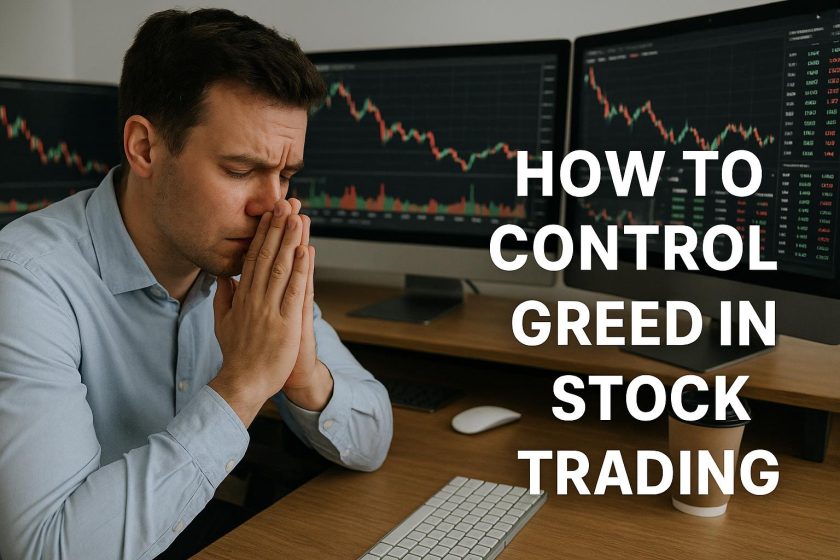
Understanding Greed in Stock Trading
Greed plays a pivotal role in affecting decision-making within the realm of stock trading, often steering traders toward outcomes that fall below expectations. A nuanced understanding of the psychological roots of greed enables traders to take proactive steps to lessen its sway. Integrating strategies and techniques designed to control greed not only enhances trading performance but also helps achieve a more balanced approach toward financial markets.
Recognizing the Signs of Greed
The initiation of controlling greed is notably marked by the recognition of its symptoms. Traders often experience an increase in trading frequency beyond initial intentions, propelled by the enticing yet often misleading lure of potential gains. Chasing the latest trends frequently occurs without systematic due diligence, leading to hasty and ill-informed decisions. Moreover, the tendency to eschew a well-formulated trading strategy in pursuit of exaggerated returns signifies the overpowering nature of greed.
Common Pitfalls Driven by Greed
Greed induces a spectrum of errors detrimental to trading efficacy. Typically, traders succumb to over-leveraging their positions, fueled by an overreliance on borrowed capital without adequate risk assessment. Another common mistake is neglecting to take profits, whereby traders hold onto stock positions excessively, anticipating further appreciation, only to face eventual downturns. Identifying these patterns empowers traders to take a breather and revisit their strategies with renewed clarity and objectivity.
Establishing a Solid Trading Plan
The sheer importance of a well-structured trading plan cannot be overstated, serving as a cornerstone in thwarting impulsive drives born of greed. Such a plan meticulously delineates entry and exit points, fortifies risk management tactics, and promotes a diversified, balanced portfolio approach. The establishment and adherence to a trading plan aid in preserving discipline, curbing emotional impulses, and shield against rash decision-making scenarios.
The Importance of Setting Realistic Goals
Formulating realistic trading goals is a strategic aspect tailored to correspond with the trader’s individual risk appetite and investment timeframe. Ideally, unrealistic profit aspirations instigate unchecked greed, thereby derailing the trading process. Conversely, defining attainable goals cultivates a more stable and rewarding trading milieu, reinforcing a methodical approach to incremental growth and sustainable success.
Maintaining a Long-term Perspective
Embracing a long-term outlook provides a substantial buffer against reactionary and emotionally charged decisions provoked by short-lived market ebbs and flows. It motivates traders to redirect their focus toward enduring wealth accumulation instead of being lured by fleeting opportunities. This orientation is valuable for fostering a strategic vision and sustainable growth mindset in trading.
Implementing Self-Regulation Techniques
Self-regulation emerges as an invaluable tactic to tether self-control and temper emotional responses linked to greed. These techniques emphasize introspection and mindfulness exercises designed to cultivate heightened emotional intelligence. Such practices prioritize self-awareness and empower traders to recognize their emotional states and subsequently rein in undue impulses.
Regular Reflection on Trading Performance
Consistent evaluation of trading outcomes unveils patterns emanating from decisions marred by greed. By maintaining a detailed trading journal and conducting reflections post-trade, traders garner insightful data pivotal for future course corrections. This practice plays an instrumental role in identifying missteps tied to greed, thereby facilitating a learning curve that enhances overall trading strategy and performance.
Mindfulness and Emotional Awareness
Mindfulness exercises, notably meditation, serve as significant tools for cultivating emotional awareness by anchoring attention in the present moment. They entail methods that diminish the force of instinctive reactions tethered to greed. Such practices equip traders with the composure necessary to navigate turbulent market conditions and make sound, rational trade decisions. Incorporating mindfulness into daily routine fortifies mental resilience, fostering an emotional poise crucial for mastering the intricacies of trading.
Conclusion
The journey of controlling greed within the landscape of stock trading is perpetual, necessitating incessant vigilance and discipline. Traders, through the formulation and execution of effective strategies accompanied by maintaining an impersonal stance, can bolster their trading prowess and attain consistency in results. Managing greed necessitates a strategic blend of well-informed planning, sustainable goal setting, and personal discipline. By embarking on a path of judicious planning and measured responses, traders unlock greater potential for growth and stability in their trading endeavors.
This article was last updated on: October 9, 2026